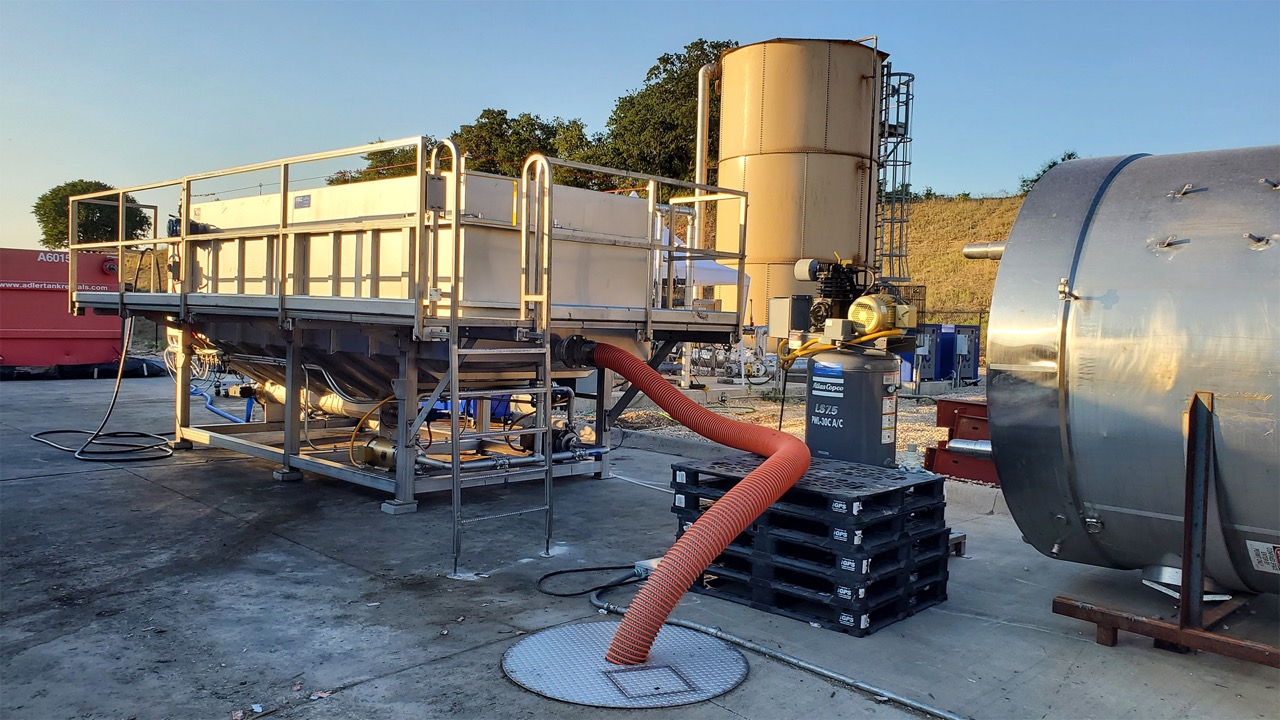
A plant that we had not worked with previously was only performing pH control. They received notification from the regulatory authority, requiring them to immediately implement FOG removal and reached out to us for assistance. The project required sourcing/installation of a DAF, floc tube, chemical feed systems, support equipment, sludge handling and storage, as well as solids hauling/disposal. The time between receiving the initial support request to the customer operating in compliance was two weeks.
Emergency: Ammonia Removal for Raw Wastewater
An equipment failure released over 800 pounds of ammonia to a pre-treatment plant, which discharges to a municipal treatment system. The city restricted any further discharge to protect the their treatment process and aquatic stream. Watermark received the call at 9:00am on a Saturday, with the request to remove ammonia diluted in 320k gallons of raw industrial food wastewater located in the facility’s 380,000-gallon EQ tank. We delivered the chemistry needed (more than a truckload of products) and were on site Sunday to begin the process of removing ammonia from raw wastewater. We developed a plan, based on bench testing, which required modifying the pre-treatment process flow in order for the chemistry to work. The site personnel executed the plan, and Watermark worked directly with the city. Partial discharge was allowed on Monday, and full pre-treatment operations resumed Tuesday morning, before production was ready to restart.
Emergency: “Thick” Wastewater
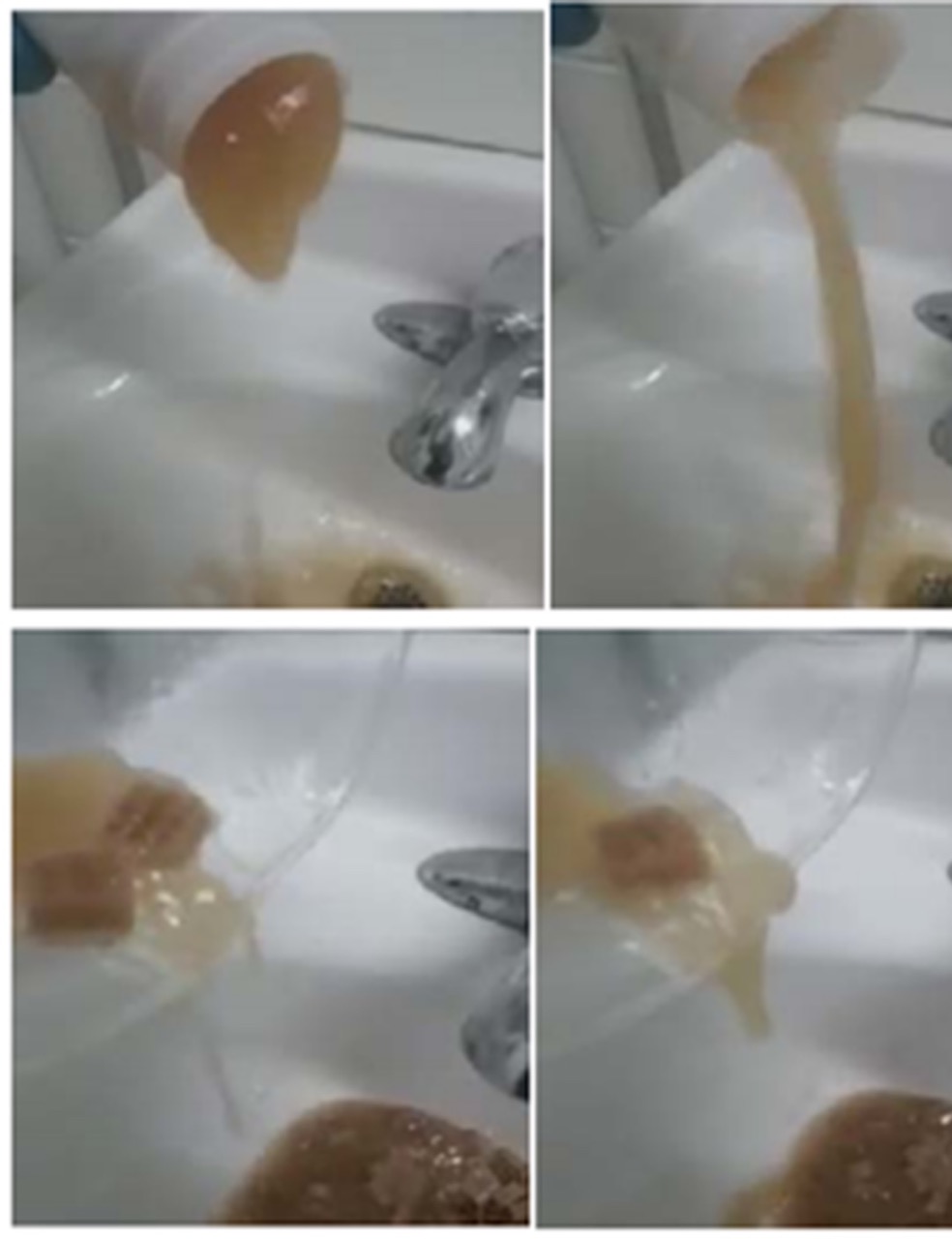
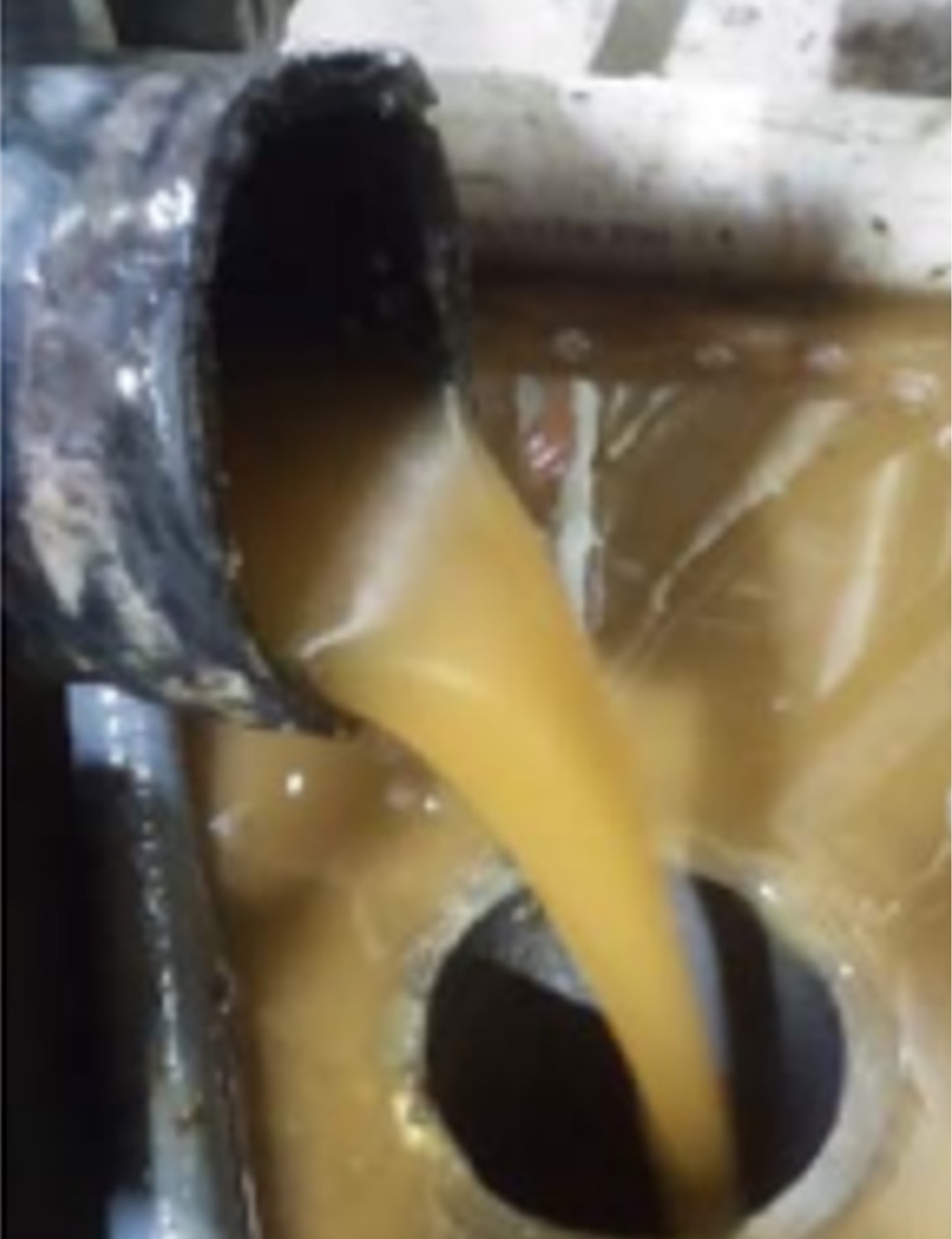
A panicked, full treatment customer contacted us and said that the contents of their multi-stage MBBRs had become thick, “like Jell-O.” We were able to help them identify the cause, which was the release of a large amount of ammonia condenser cleaning agent to the wastewater stream by the upstream manufacturing plant, without any notification. The cleaning agent caused the aerobic biology to release large amounts of polysaccharides, thickening the wastewater. We developed an action plan that the operators were able to implement, restarting treatment operations within 8 hours and returning to full operation in less than 24 hours.
Same-Day Final pH Control
While working onsite at a customer location, we learned that they had just been notified by the regulating authority that they were required to immediately begin active pH control of their final effluent. Using a combination of equipment that we had with us and plant spare parts, we were able to install the necessary equipment (pH sensor, chemical pumps, PLC I/O), complete plumbing and wiring, and add the supporting control software to the PLC, HMI and SCADA systems to get the required change implemented the same day.
Control System Failure
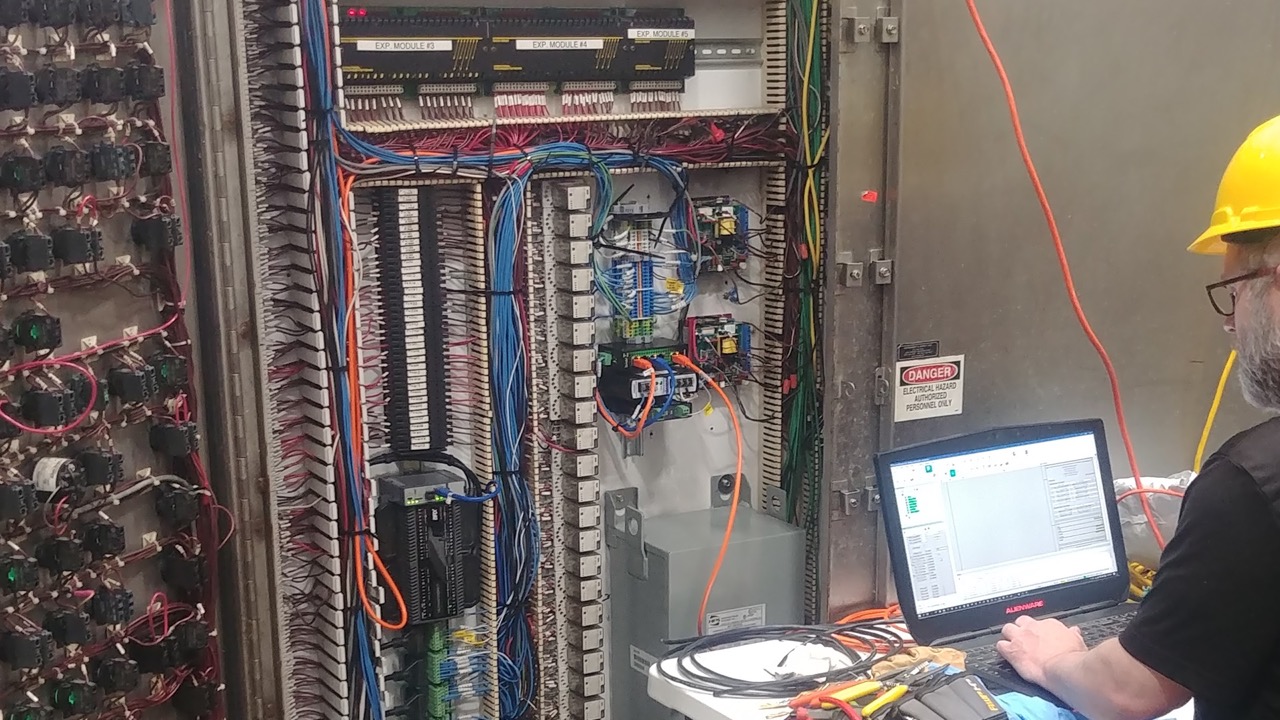
A company we had not worked with before contacted us because their wastewater control system had failed and they had been unable to find help. As part of their attempt to get the system working again, they had purchased several radar level sensors from an integrator who was subsequently unable to restore control functionality. Because there was not time or budget to replace/rewire the control cabinet, we dropped in our own PLC, intercepting the signal lines to gain control and replacing the non- functional touchscreen. We completed the integration in two days, including the radar level sensors and custom PLC and HMI programming, returning the system to automatic operation.